Medically reviewed by Dr. Daniel Suissa (MD, FRCS)
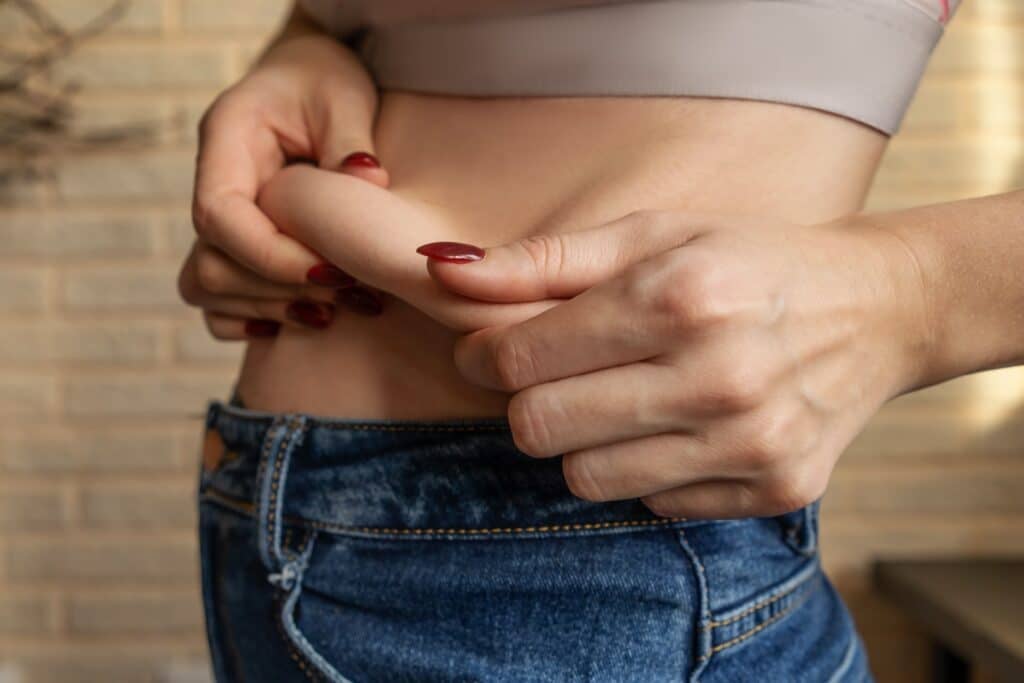
Losing weight is a huge achievement. But many people are disappointed to find that, after working hard to achieve their goals, their reflection in the mirror doesn’t match their expectations. Instead of a firm, toned silhouette, they may notice stubborn pockets of fat or loose, sagging skin in areas like the tummy, thighs or arms.
It’s easy to assume all post-weight-loss trouble spots are the same, but stubborn fat and loose skin are, in fact, very different issues, each requiring its own approach.
In this article, we’ll break down the key differences between stubborn fat and loose skin, explain how to tell the difference between them, and explore effective solutions,including the advanced treatments we offer at Squlpt, such as our skin tightening solution, to help you look and feel your best post-weight-loss.
What is stubborn fat?
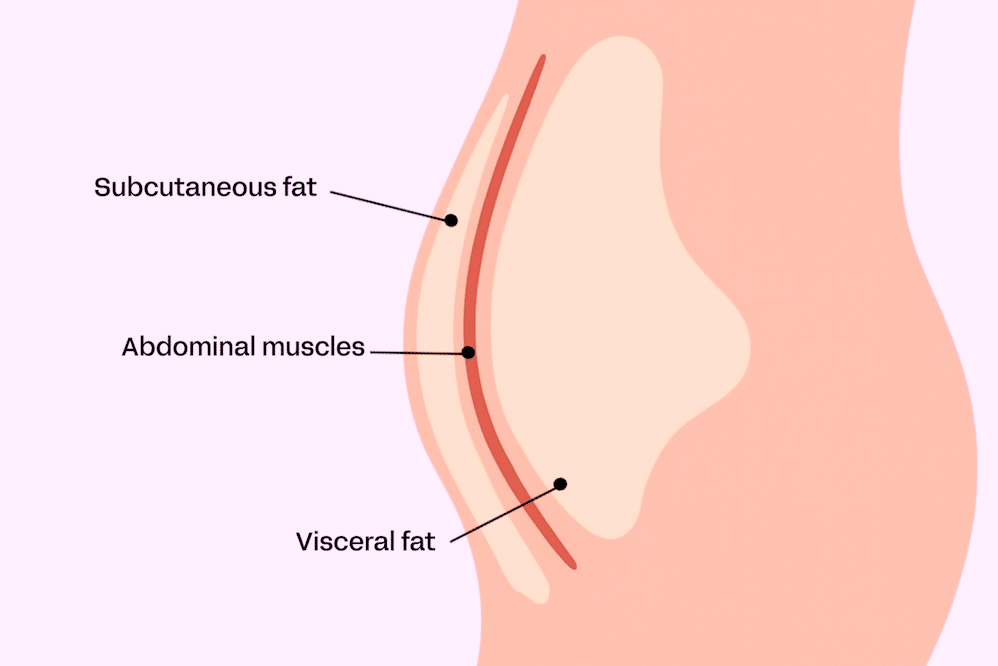
Stubborn fat typically refers to subcutaneous fat, which is the kind that you can pinch or feel under the skin. Unlike visceral fat, which surrounds your organs and carries health risks, stubborn subcutaneous fat just under the skin is usually more of an appearance issue. That said, carrying excess body fat anywhere in the body can still be associated with health concerns.
Genetics:
Your natural body shape plays a major role in how and where fat is stored.
Hormones:
Hormones like estrogen, cortisol and insulin, especially when imbalanced, can promote fat storage in areas like the belly, hips and thighs in women. Similarly, low testosterone in men can contribute to an increase in belly fat.
Aging:
As we age, our metabolism slows and fat distribution changes, often causing fat to accumulate in susceptible areas like the belly, hips, thighs and arms.
Lifestyle factors:
Poor sleep, stress, a nutrient-poor diet and lack of regular exercise are all factors that can slow metabolism and make it harder to lose stubborn fat.
Even with a healthy diet and regular exercise, subcutaneous fat can be hard to shift. Targeting areas like the lower belly or outer thighs during a workout often prove ineffective, and many people still struggle with a belly pooch or jiggly arms despite being otherwise fit.
The good news is that stubborn fat is treatable with the right approach, like the SoftSqulpt awake lipo procedures we offer at Squlpt, designed to target common problem areas like the midsection, arms and thighs. Once these fat cells are removed from a treated area they are permanently eliminated, but remaining fat cells can still enlarge with weight gain, and the body can store fat in other areas. Long term results still depend on maintaining a stable weight and healthy lifestyle.
What is loose skin?
Loose skin occurs when the skin has been stretched beyond its ability to “snap back.” This can happen after significant weight loss, pregnancy, or as part of the natural aging process. Some of the most common causes include:
Significant weight loss:
Rapid weight loss or losing a large amount of weight (for example, more than about twenty to thirty percent of your starting body weight) often leads to loose, sagging skin.
Aging:
Collagen and elastin naturally decline with age, impacting the skin’s ability to bounce back.
Pregnancy:
Skin stretching around the belly, breasts, and hips during pregnancy can result in loose skin after childbirth.
Certain lifestyle changes and interventions,such as maintaining a healthy weight, doing toning exercises to target problem areas or using skin tightening creams,may improve the appearance of loose skin. But in most cases, medical intervention is needed to effectively resolve the issue. Younger skin with more collagen and elastin tends to recoil more effectively, while older skin or skin stretched from significant or rapid weight loss often struggles to tighten on its own, even with good lifestyle habits or exercise.
Today, there are several skin-tightening treatments available. Surgical procedures provide the most dramatic results, but often involve higher risks and longer recovery times. Non-surgical treatments, such as radiofrequency, laser therapy and microneedling, can improve skin firmness with minimal downtime, though results are generally less pronounced.
Although these treatments typically involve less downtime than surgery, they are still medical procedures and can have side effects such as burns, pigment changes, scarring, or contour irregularities, especially if performed by inexperienced providers or with incorrect settings.
The new skin tightening treatment we offer at Squlpt offers the best of both worlds. It avoids many of the downsides of traditional surgery, like general anesthesia and a long recovery, while still delivering dramatic, long-lasting results.
Loose skin vs. stubborn fat: How to tell the difference
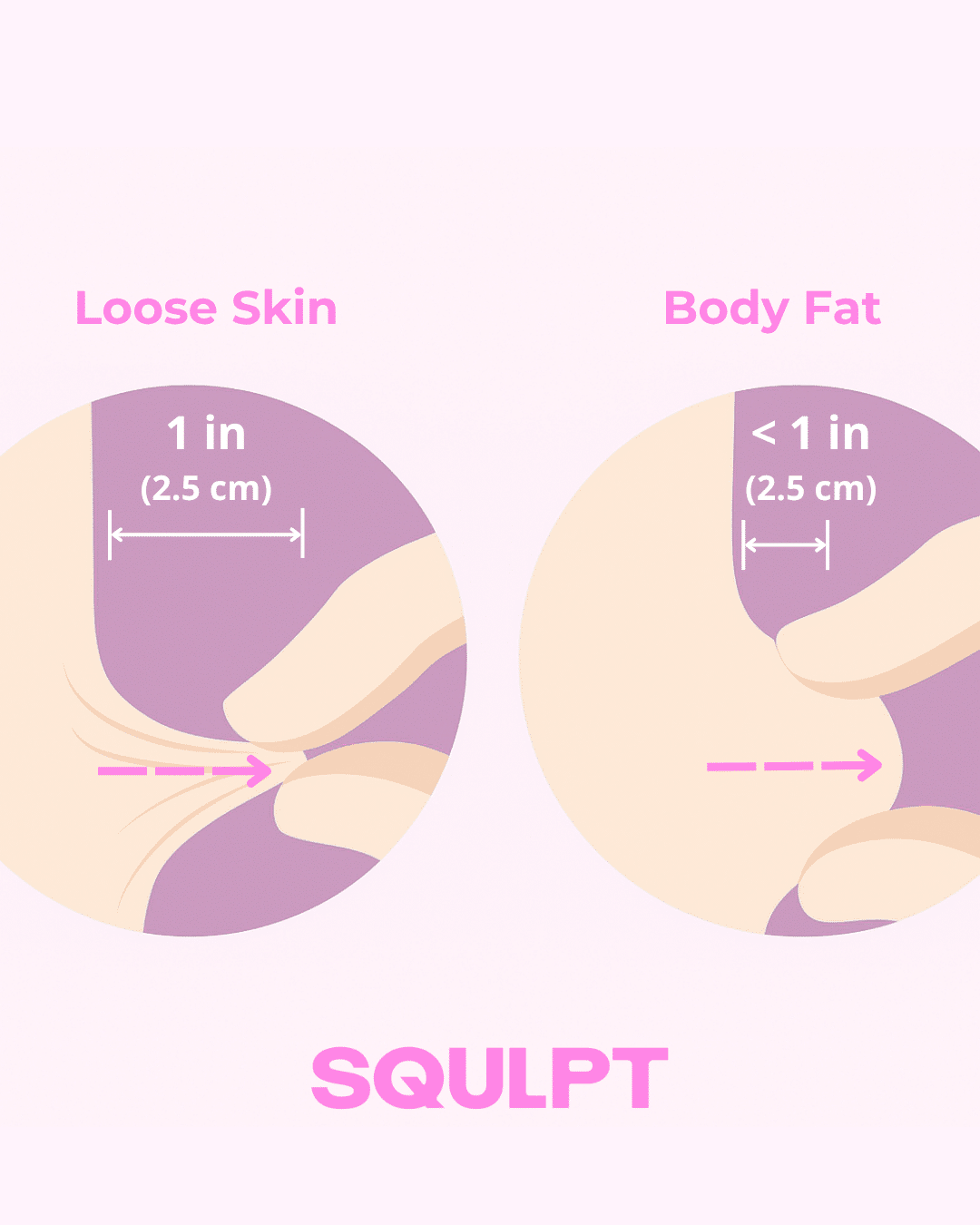
One of the simplest ways to tell the difference between loose skin and stubborn fat is with a pinch test. If you can grab a thin fold that feels mostly like skin and that hangs when you pull, it’s loose skin. If the area feels thicker, firmer or resistant to pinching, it’s likely stubborn subcutaneous fat. Another test you can try is the “skin fold test”. Try leaning forward to see if skin folds or wrinkles persist, which can indicate loose skin.
Another clue is the feel and texture of the fat. Loose skin is soft, thin and easy to move around, often jiggling or sagging when you pull on it or pinch it. Subcutaneous fat, while still soft, is thicker and feels more solid under the skin.
A soft belly after weight loss or pregnancy is usually either lingering subcutaneous fat, loose skin, or a combination of both. After significant weight loss, it’s normal to notice areas that are less firm. Knowing whether you’re dealing with loose skin or stubborn fat is key to choosing the best treatment approach
| Stubborn fat | Loose skin | |
| Feel | Thicker, cushioned, hard to pinch | Thin, papery, hangs or wrinkles when pulled |
| Appearance | Round, bulging, smoother surface | Sagging, drooping, crinkled texture |
| Response to exercise | Shrinks somewhat with weight loss, but often lingers | Little to no improvement with exercise |
| Location | Belly pooch, love handles, thighs, arms | Abdomen, arms, inner thighs, chin/neck after weight loss |
These simple tests can help you get a sense of what you are dealing with, but they cannot distinguish between deep visceral fat behind the abdominal wall, subcutaneous fat, and issues like muscle separation after pregnancy. A consultation with an experienced surgeon is the most reliable way to determine what is really going on.
Solutions to firm up loose skin
One of the most common questions after major weight loss is whether loose skin will naturally resolve itself. In mild cases, especially for younger people with good skin elasticity, the skin may return to its former firmness over six to 12 months for mild cases. But when the skin has been stretched significantly, such as after dramatic weight loss or pregnancy, it rarely returns to form on its own.
An at-home approach
Certain lifestyle changes and habits can help improve the look and feel of loose skin, although they won’t fully resolve the laxity issue:
- Gradual weight loss: Losing weight slowly and steadily over time, rather than rapidly shedding pounds, will give your skin more time to adapt.
- Balanced nutrition:: Staying well hydrated and eating a nutrient-rich diet,especially one with plenty of protein, vitamin C and collagen-supporting foods, can help maintain skin health.
- Strength training: Building and maintaining muscle helps with skin firmness and elasticity.
- Skincare: Moisturizers and retinoids can help enhance skin texture and tone, although they can’t correct skin laxity.
Professional support
For mild laxity, especially in younger patients, the skin can sometimes tighten on its own over several months. However, when the skin has been stretched significantly, non procedural measures rarely restore it fully and medical treatments are usually needed for a noticeable tightening effect.
At Squlpt, we wanted to support our patients who noticed areas of skin laxity following an awake liposuction procedure at our clinics, which led us to develop a new skin tightening treatment that delivers smooth, firm skin to complement their newly sculpted shape.
Our innovative method involves delivering precise heat energy under the skin’s surface to stimulate the skin’s natural collagen production. This procedure promotes the growth of collagen and elastin fibers, which are the key proteins that maintain firmness and elasticity. Over time, this process tightens and firms skin in areas commonly affected by sagging, including the midsection, thighs, arms and chin & neck.
View this post on Instagram
If you’re looking to remove stubborn fat with an awake liposuction procedure, you can opt for our skin tightening treatment as a specialized add-on, so you can experience the best of both worlds all in the same session: get rid of unwanted fat while targeting loose skin for a comprehensive body contouring solution.
Like all of our treatments at Squlpt, skin tightening is performed awake, so you can avoid the risks and downsides of general anesthesia (such as surgical complications and a long, painful recovery). Each session typically lasts around 15 minutes, depending on the size of the area being treated.
Surgical options to remove stubborn fat
Awake liposuction is one of the most effective solutions to remove stubborn fat for good. At Squlpt, we offer a range of treatments to target stubborn fat in different areas, including the midsection, thighs, arms and chin & neck.
We use an advanced, proprietary technology called SoftSqulpt for all awake lipo and fat transfer procedures—a safer, gentler approach that delivers natural, lasting results and sets you up for a fast and smooth recovery.
Unlike traditional lipo, which often involves harsh instruments and painful pulling of the skin, we use miniaturized instruments and smooth vibration to gently remove the stubborn fat. We can then use that same fat to enhance areas like the bottom or breasts with a fat transfer procedure, using your own body fat as filler instead of implants to ensure natural results that complement your figure.
For patients with mild to moderate skin laxity, our new skin tightening treatment, currently available in Miami, can be added to your awake liposuction session. This minimally invasive, energy-assisted procedure typically requires just one session, using precise heat under the skin’s surface to stimulate collagen and elastin production.
Patients often notice a subtle improvement in firmness right away, with continued tightening and contour refinement over the next 3–6 months as new collagen develops.
This treatment is best suited for individuals with mild to moderate skin laxity who want to improve tone and elasticity without surgery. For those with significant excess or hanging skin (such as a lower-abdominal pannus), we may recommend consulting with a plastic surgeon for surgical skin removal to achieve optimal results.
By combining SoftSqulpt® fat removal and skin tightening, patients can achieve smoother contours, firmer skin, and a more balanced shape, all while remaining awake and avoiding the risks of general anesthesia.
Looking to treat loose skin or stubborn fat? Squlpt can help.
Whether you want to address loose skin, stubborn fat, or a combination of both, we can help you find the best treatment approach to achieve your body goals.
Book a free consultation with a Squlpt surgeon and body consultant today. During this virtual call, they’ll identify which issue you’re dealing with, answer any questions you may have, and work with you to create a personalized treatment plan.
Get inspired with our before & after gallery
The information provided in this article is for educational and informational purposes only and should not be taken as medical advice. Individual results may vary. Always consult with a qualified healthcare professional to determine which treatment options are right for your specific needs and health condition. Procedures mentioned, including awake liposuction and skin tightening, may not be suitable for everyone. A consultation with a Squlpt provider is required to assess candidacy and discuss potential risks and outcomes.